


Testing returned and second-hand headphones requires balancing efficiency and quality while quickly screening for playback issues, microphone faults, channel imbalance, and unwanted mechanical noise. Compared with relying solely on listening tests, objective electroacoustic testing provides a more consistent and traceable basis for assessment. This article covers the key test items, the differences between functional and performance testing, test equipment configurations, and methods for handling abnormal test results.
The headphones have been returned. Are they actually faulty?
Customers may return headphones because of unwanted noise, call problems, or connection failures. They may also return them simply because the fit is uncomfortable or the sound does not meet their expectations. After receiving a return, businesses often need to inspect the product again to determine whether it is faulty.
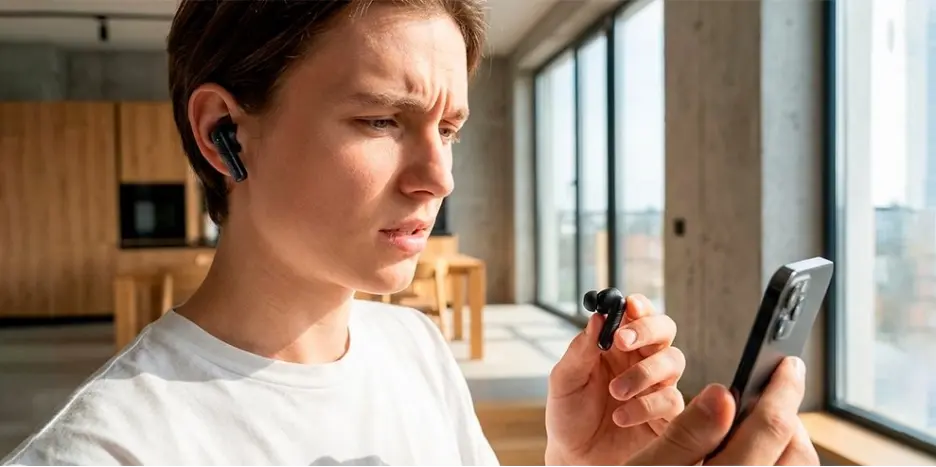
Figure 1. Earphone exhibiting usage abnormality
Scrapping a returned product outright may mean losing a unit that still has useful life. Sending every return back to the brand owner means waiting for testing and processing. Businesses buying used headphones or checking repaired units face the same need: assess the product's condition within a limited time and decide what to do next.
Acoustic testing provides evidence for these decisions. It uses specified test signals to check playback and sound pickup, then screens for abnormalities against defined limits. Only when the test scope and pass/fail criteria are clear can a business understand exactly what a passing result means.
Subjective Listening vs Objective Instrument Testing
Putting on a returned pair of headphones and listening to music is a straightforward way to inspect them. Listening may reveal no sound, intermittent audio, obvious unwanted noise, or a left-right imbalance. It can also help reproduce a customer's reported problem and establish what the abnormality sounds like.
However, listening assessments depend on the track, playback level, environment, and person performing the check. Different people may reach different conclusions about the same pair of headphones. Some abnormalities occur only at particular frequencies or volume levels, which a single piece of music may not cover.
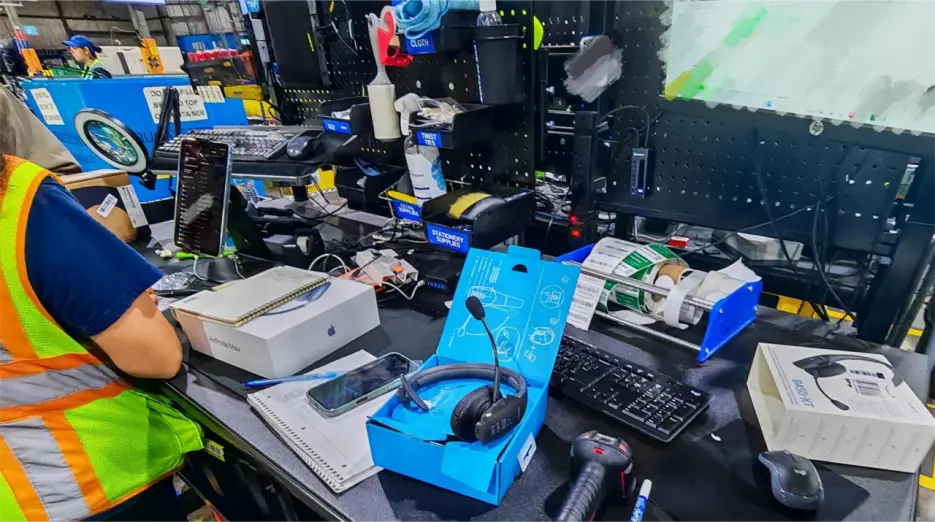
Figure 2. Manual inspection workstation for earphones
Objective instrument testing uses specified signals, playback levels, and mounting conditions. The system measures the headphones' acoustic performance and evaluates it against preset limits. Curves, measured values, and pass/fail results can all be saved for retesting and traceability.
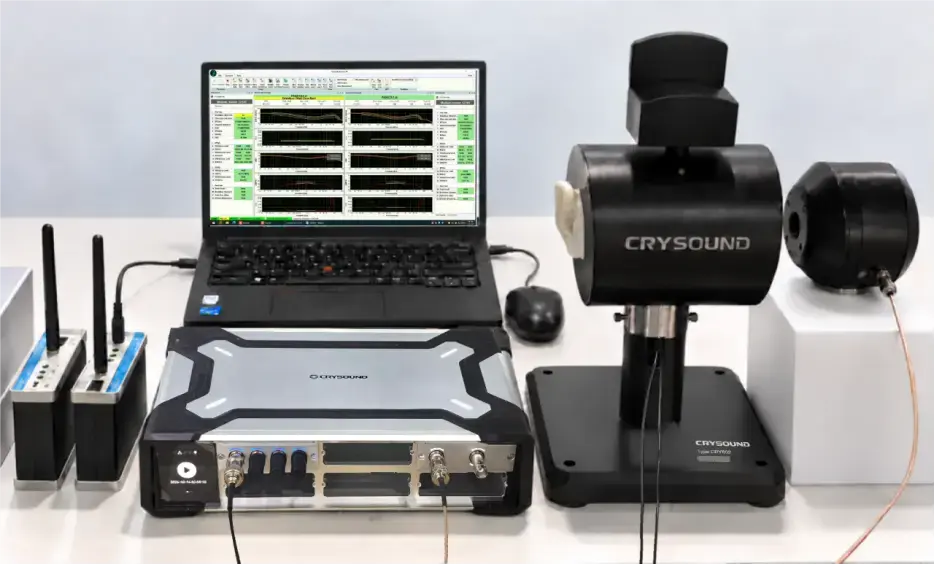
Figure 3. CRYSOUND earphone acoustic test system configuration
Each approach has its uses. Listening helps assess sound quality and investigate abnormalities, while objective instrument testing provides a consistent basis for screening batches of products. For returned and used headphones, instruments can handle routine screening, with listening checks used to review abnormal results.
Key Checks in Objective Testing
Test items should address specific fault symptoms. For the drivers, confirming that they produce sound is only the starting point; channel differences, abnormal output, and distortion also need checking. Rapid screening can focus on four items:
- Left-right balance: Compare the output of the left and right channels.
- Frequency response: Observe how output varies with frequency and check for localized attenuation or abnormal peaks and dips.
- Total harmonic distortion (THD): Check whether distortion exceeds the limits under the specified test conditions.
- Abnormal mechanical noise: Check for rubbing, buzzing, or other abnormal sounds during playback.
These four checks serve different purposes. A product may meet its frequency response requirements yet still produce abnormal mechanical noise. Sound from both channels does not necessarily mean that their output levels match.
When screening returned and used headphones, we recommend prioritizing left-right balance in the pass/fail assessment. One side being louder than the other deserves attention before minor deviations in absolute frequency response levels. Models have different tuning, so generic screening should not require all headphones to meet the same frequency response.
Before assessing balance, rule out differences in mounting, sealing, and measurement channels between the two sides. Tests for a specific model should address both balance and that model's frequency response requirements.
Headphones with calling capabilities also require checks of the microphones and uplink audio. The test system plays a specified signal through a mouth simulator, then captures the headphones' uplink audio to check frequency response and total harmonic distortion. If microphone background noise also needs to be evaluated, first confirm that the local environment and measurement system meet the test requirements.
Active noise cancellation (ANC), transparency mode, and other additional features require separately defined test methods and pass/fail criteria. Whether they are included in rapid screening depends on the business's testing objectives.
Choosing Functional or Performance Testing Based on Quality Requirements
Returns centers and used-headphone test stations may receive a succession of different models. Creating a dedicated sequence for every model requires configuration and maintenance work. Using one set of limits for all models, however, may overlook differences in their performance.
Before choosing a sequence, establish whether the objective is functional testing or performance testing.
Functional testing focuses on confirming that the drivers and microphones work properly, while screening for obvious abnormal noise or severe channel imbalance. For entry-level products where confirming audio functionality is the main objective, generic limits can be set by broad product category. For example, separate generic tests can be configured for wired headphones, over-ear headphones, and true wireless stereo (TWS) earbuds.
Even generic sequences require model compatibility validation, with their scope defined by interfaces, physical design, and fixtures. If the drivers and microphones work properly and none of the specified obvious abnormalities is found, the product can be judged to pass the agreed functional criteria.
Performance testing focuses on whether a product meets the quality requirements for its model. Premium models or those with higher quality requirements should have dedicated sequences and limits configured individually. These may define allowable frequency response deviations in each frequency band, maximum distortion, and left-right balance requirements.
This type of testing needs to assess headphone performance; confirming that the drivers and microphones work is insufficient. Dedicated limits should be set for the model being tested rather than copied directly from another model.
Businesses need to choose between the two approaches based on product positioning, quality requirements, and testing costs. Generic functional testing makes it easier to cover a range of products, while performance testing tailored to each model provides a more targeted assessment. Relaxing limits does not reduce instrument accuracy, but it may allow some performance deviations to go undetected. Passing a functional test does not mean that the product meets all of the original manufacturer's performance specifications.
Limits can be based on product specifications, measurements from samples confirmed to be acceptable, and customer requirements. Before deployment, mounting repeatability also needs to be validated, and detection capability should be checked using samples with confirmed abnormalities. Defer pass/fail decisions for models whose suitability for the test has not yet been validated.
Equipment Needed for a Test Station
The following modules can be selected for a CRYSOUND headphone test solution according to the products being tested. Wired and Bluetooth products use different connection methods, while the software organizes measurements and pass/fail evaluation through test sequences.
| System Component | Purpose |
| Electroacoustic analyzer | Provides test signals and acquires measurement signals |
| SonoLab test software | Runs sequences, applies limits, and saves results |
| Acoustic test chamber | Reduces the impact of external sound on measurements |
| Ear simulators and test fixtures | Receive headphone output and hold the product in position |
| Mouth simulator | Provides acoustic excitation for microphone testing |
| Bluetooth or wired adapter | Connects to the headphones' audio interface |
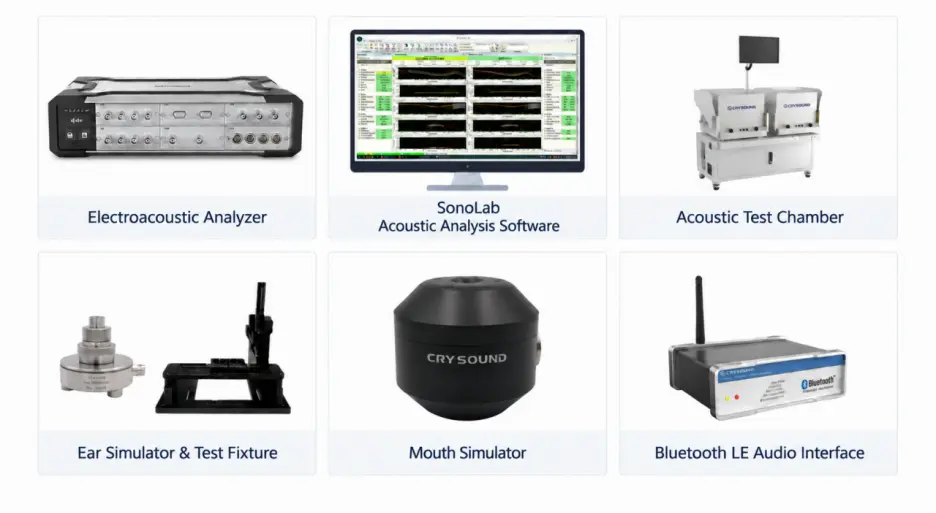
Figure 4. Main components of the earphone acoustic test workstation
Engineers configure sequences, set limits, and validate the suitability of the sequences for each model. Operators connect and position the headphones as specified, run an approved sequence, and sort the products according to the overall result.
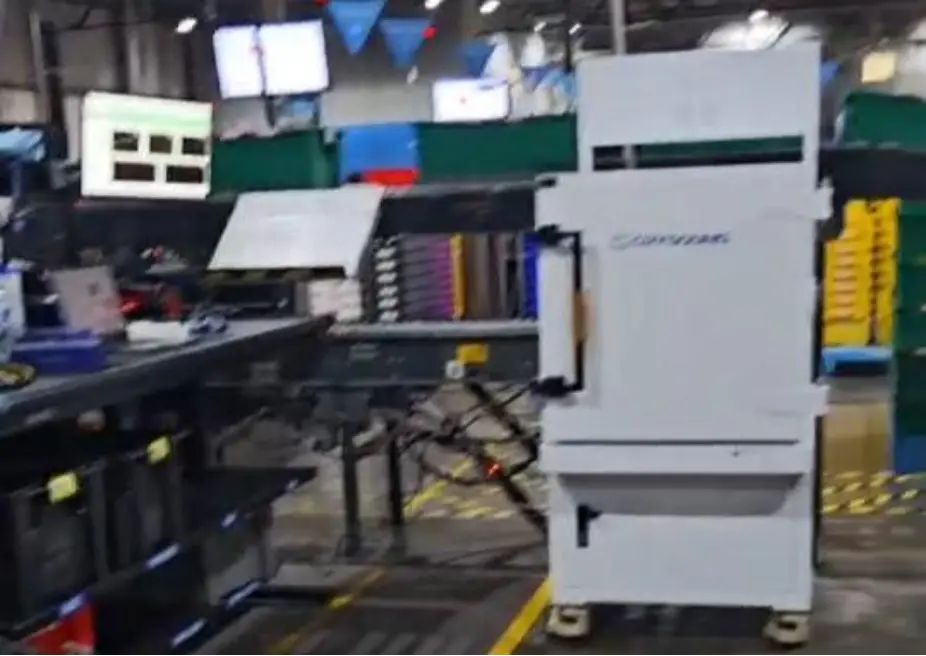
Figure 5. Earphone production test workstation
Whether a single station can accommodate in-ear and over-ear products, as well as products with different interfaces, must be verified based on the fixtures and connections available. When adding models, also check that volume, operating mode, and audio connection meet the sequence requirements.
Handling and Connections Affect Testing Efficiency
The consistency of headphone placement affects test results. In-ear products require control of insertion position and sealing. Over-ear products require a consistent earcup seal and a fixed support position. Microphone testing also requires a consistent spatial relationship between the product and the mouth simulator.
For example, reduced low-frequency output may result from a product defect or acoustic leakage at the fixture. When this occurs, checking placement first helps determine whether to retest or investigate the product.
Operating instructions benefit from photos showing correct placement, with left and right orientation, contact positions, and microphone direction marked. These make it easier for operators to confirm that the product is positioned correctly.
Bluetooth headphones also need to enter the appropriate pairing state. Procedures vary by model, so the station can provide brief pairing guides for commonly tested models. If connection still fails, engineers can use logs to investigate the discovery, connection, and audio transmission stages.
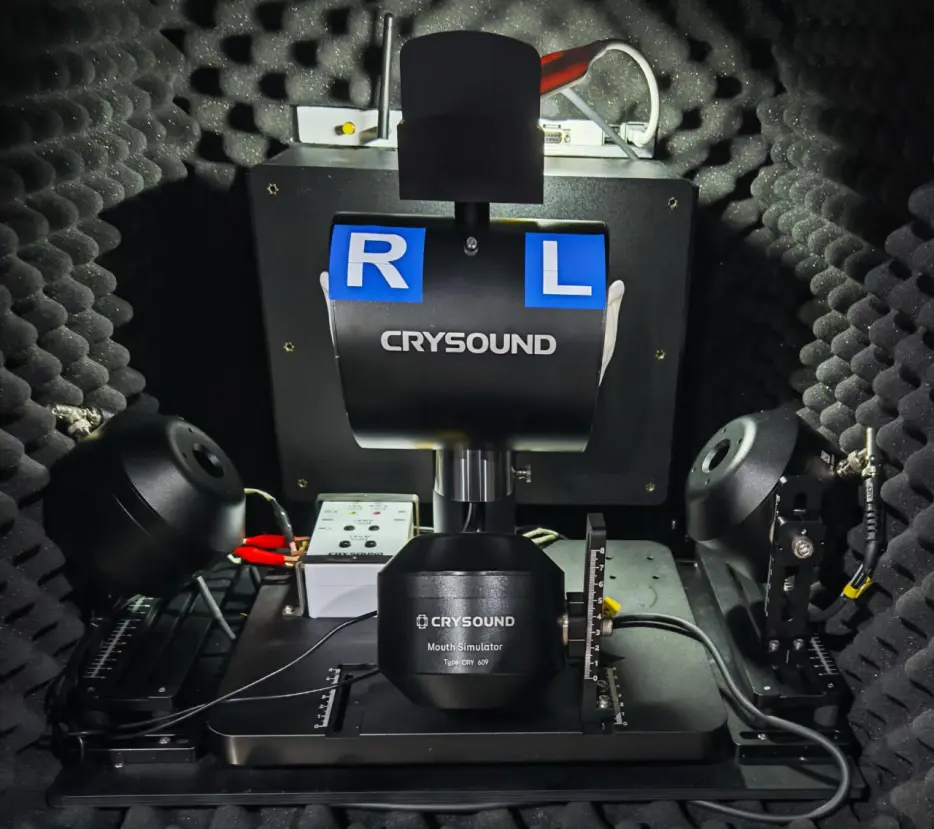
Figure 6. Fixture layout inside the test box with left/right orientation markings
When calculating throughput, include connection, loading and unloading, and sorting by result in the station cycle time. Automated measurement time alone does not represent the full processing time.
Handling Failed Test Results
After a test fails, first distinguish between a product exceeding its limits and a problem with the test itself. A connection failure, incorrect mounting, or interrupted acquisition is not sufficient grounds to classify the product as defective.
Retest rules should be defined in advance, including the conditions under which retesting is allowed, the number of attempts, and how products are handled afterward. Before each retest, operators should recheck placement and connections. The system should retain both initial and retest records to help investigate intermittent abnormalities.
A passing result means that the headphones meet the requirements of the selected sequence. Businesses can use this result to arrange subsequent grading, repair, or checks before resale. Appearance, cleanliness, charging, and battery condition still require separate checks.
For returned and used headphones, start by defining the models to be tested, the test requirements, and the target throughput. CRYSOUND can use these requirements to configure measurement equipment, SonoLab software, interfaces, and fixtures, and help establish the test workflow.
If you have specific models and testing challenges for functional and performance testing configurations, please complete the Get in touch form below.


