


Partial discharge (PD) signals were detected in the medium-voltage switchgear of a plant, raising concerns about the safety and stability of the electrical system. To ensure safe inspection, the technical team isolated the affected area by cutting power.
Corrective measures included applying high voltage from an external source to the equipment and using advanced detection tools to accurately identify the location and root cause of the discharge.
During the investigation, two main methods were employed to detect and analyze PD signals:
- Ultrasound
- Transient Earth Voltage (TEV)
Detection and Diagnosis
Floating Partial Discharge (PD) signals were detected at the medium-voltage switchgear panels of a plant using EA UltraTEV Plus² with Ultrasound and Transient Earth Voltage (TEV) methods. However, the exact location of the PD could not be determined.
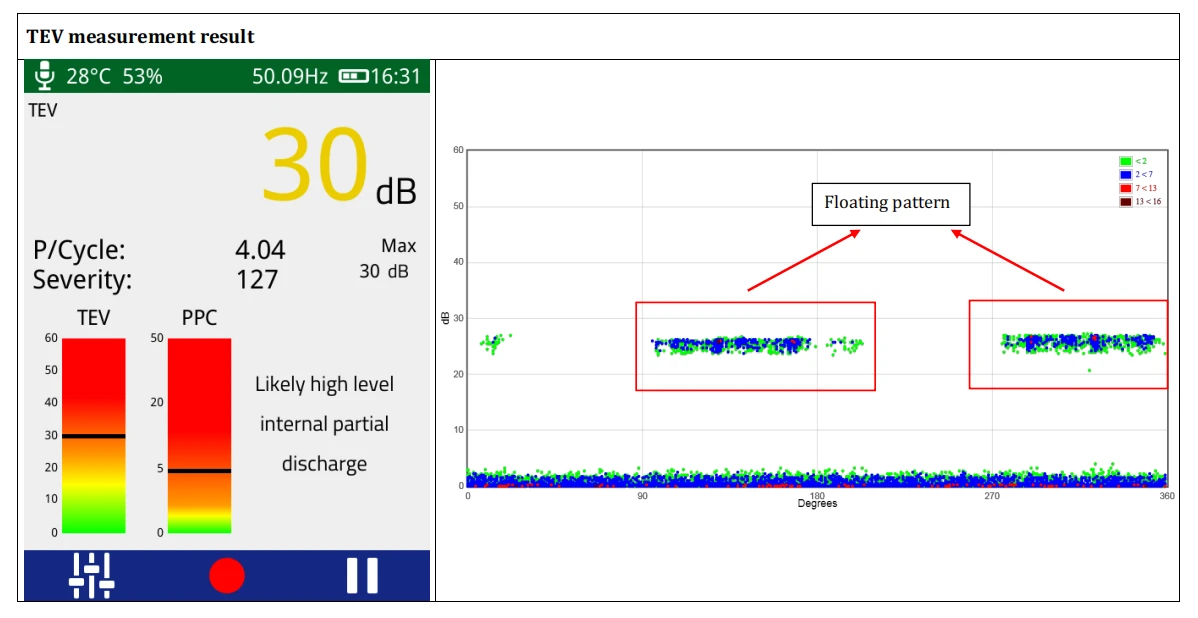
Figure 1. TEV measurement showing a 30 dB floating pattern in MV switchgear, indicating likely internal partial discharge.
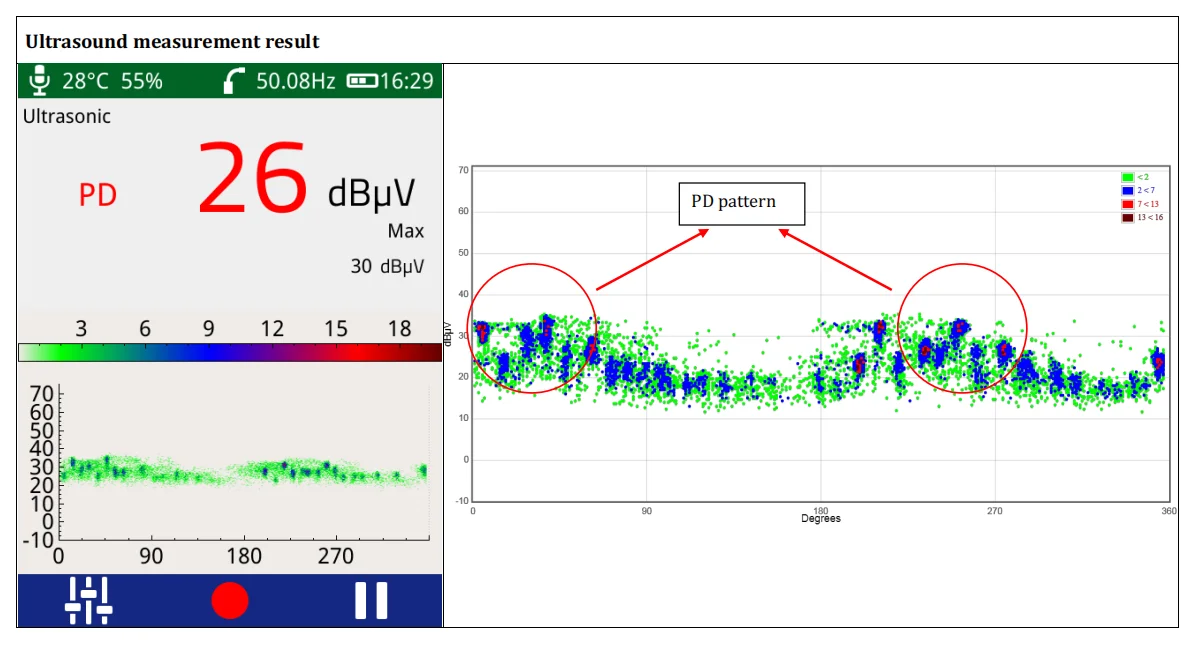
Figure 2. Ultrasound measurement showing a 26 dBμV PD pattern in MV switchgear with clustered discharge activity.
Pinpointing the Source with CRY2623
To further investigate, high voltage from an external source was applied to the circuit breaker within the open switchgear panel. The CRYSOUND CRY2623 device - capable of recording partial discharge signals in the form of images, sound, and diagrams - was then used to visually and accurately identify the precise source of the discharge signals. As a result, the plant's power outage time was significantly reduced.
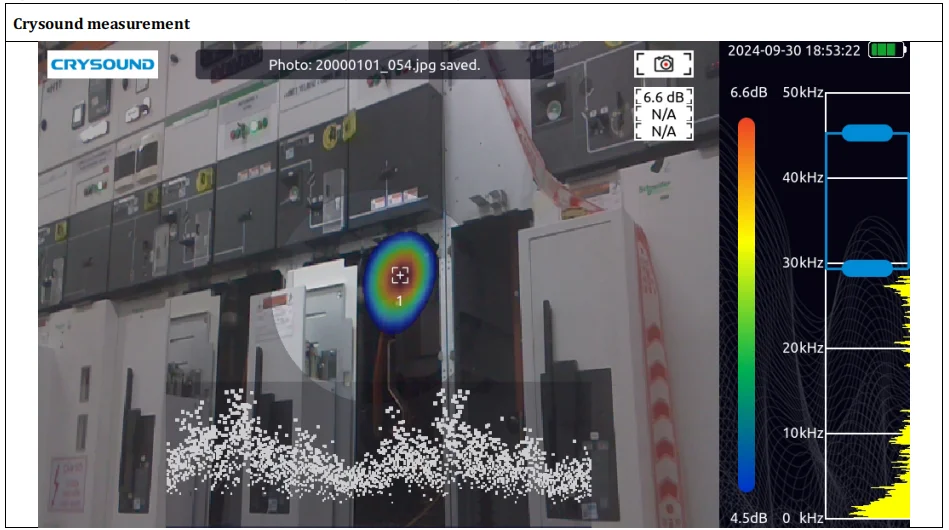
Figure 3. CRY2623 acoustic imaging locating floating PD at the upper pole field deflector of the circuit breaker.
Root Cause Identified
The source of PD signal was identified at the field deflectors of the upper pole of the circuit breaker. Upon inspection, it was discovered that the field deflector was loose and showed signs of no contact with the busbar, due to the rubber O-ring beneath the deflector being thinner than the design specification.
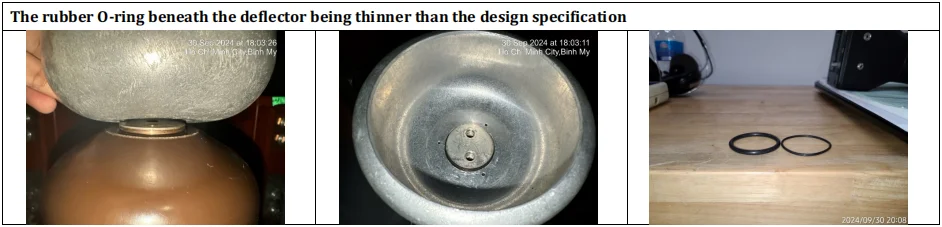
Figure 4. Inspection showing the thin O-ring beneath the field deflector, identified as the root cause of floating PD.
Verification After Repair
A thicker rubber O-ring was installed as a replacement. After re-energizing the equipment, the partial discharge (PD) signal was rechecked to verify improvement.
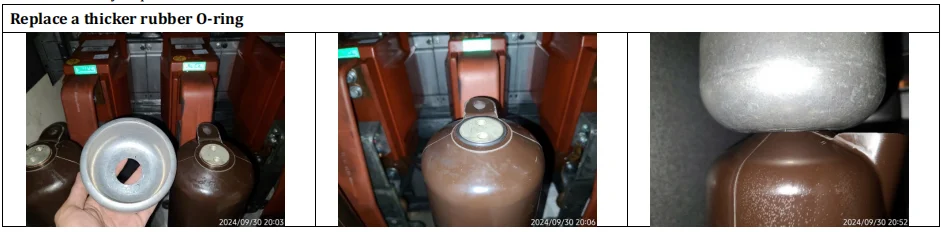
Figure 5. Repair showing replacement with a thicker O-ring beneath the field deflector to correct floating PD.
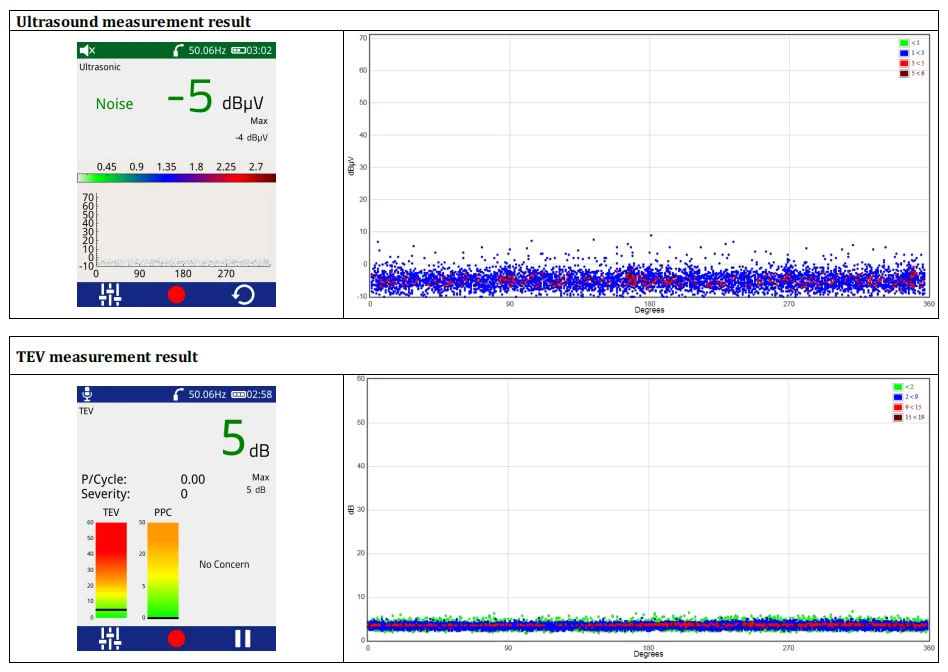
Figure 6. Post-repair ultrasound and TEV results showing noise-level ultrasound and 5 dB TEV with no concern.
The CRYSOUND CRY2623 acoustic imaging camera enables engineers to accurately localize partial discharge sources in real time - reducing diagnostic time, minimizing unplanned downtime, and keeping your electrical systems running safely. Whether you're dealing with switchgear, transformers, or cables, the CRY2623 delivers fast, reliable fault detection so you can act before small issues become costly failures.
Interested in learning more? Fill in the Get in touch form below and our team will get back to you shortly.
About the Author
 PSTS (Vietnam) - PSTS is a trusted partner providing industrial maintenance equipment (online and offline) and advanced CBM solutions to enhance customer asset safety and reliability throughout their life cycle.
Website: https://psts.co


