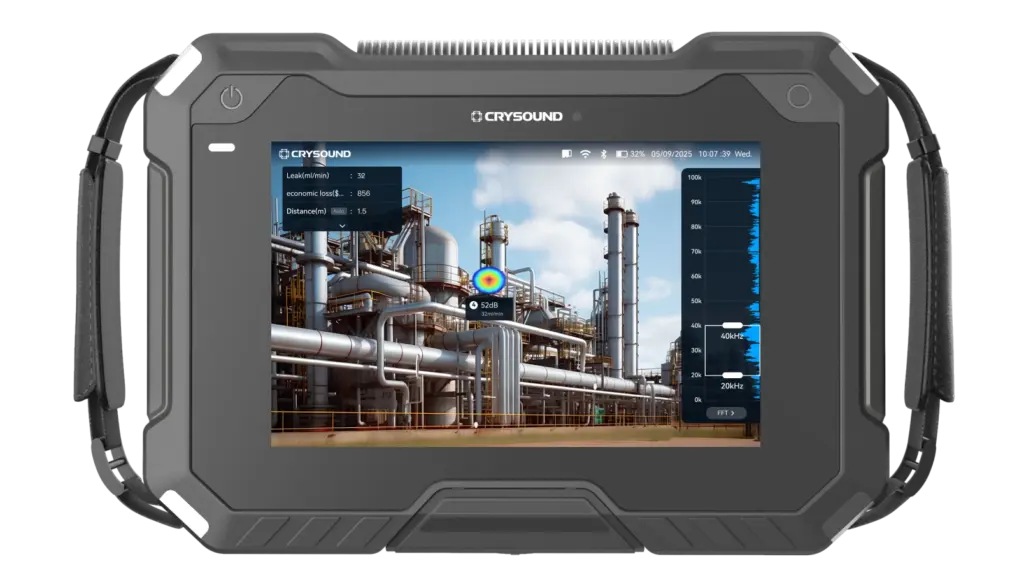
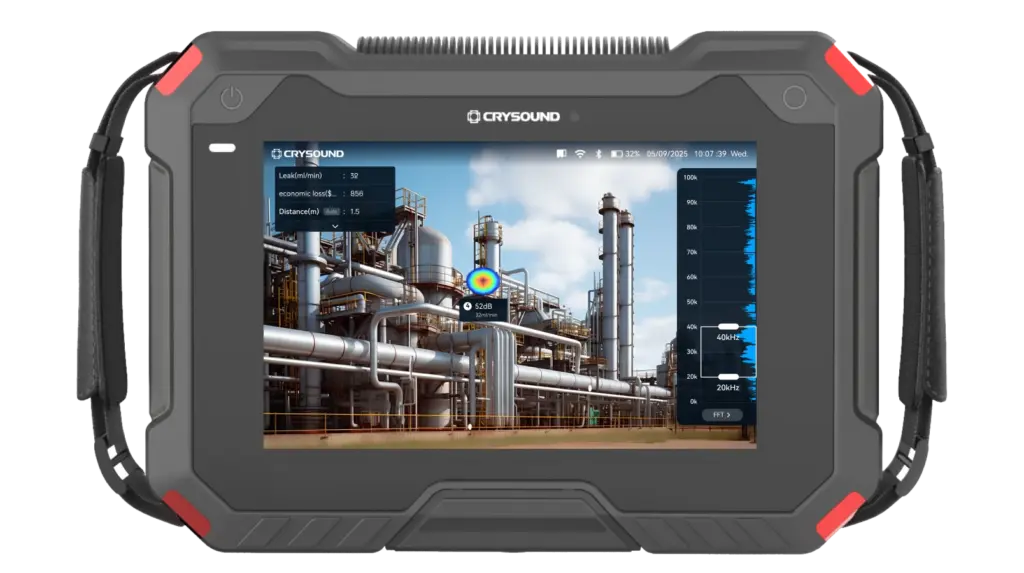
CRYSOUND POCKET Acoustic Imaging Camera Now Available on Kickstarter.

CRYSOUND POCKET Acoustic Imaging Camera Now Available on Kickstarter.


Product Highlights
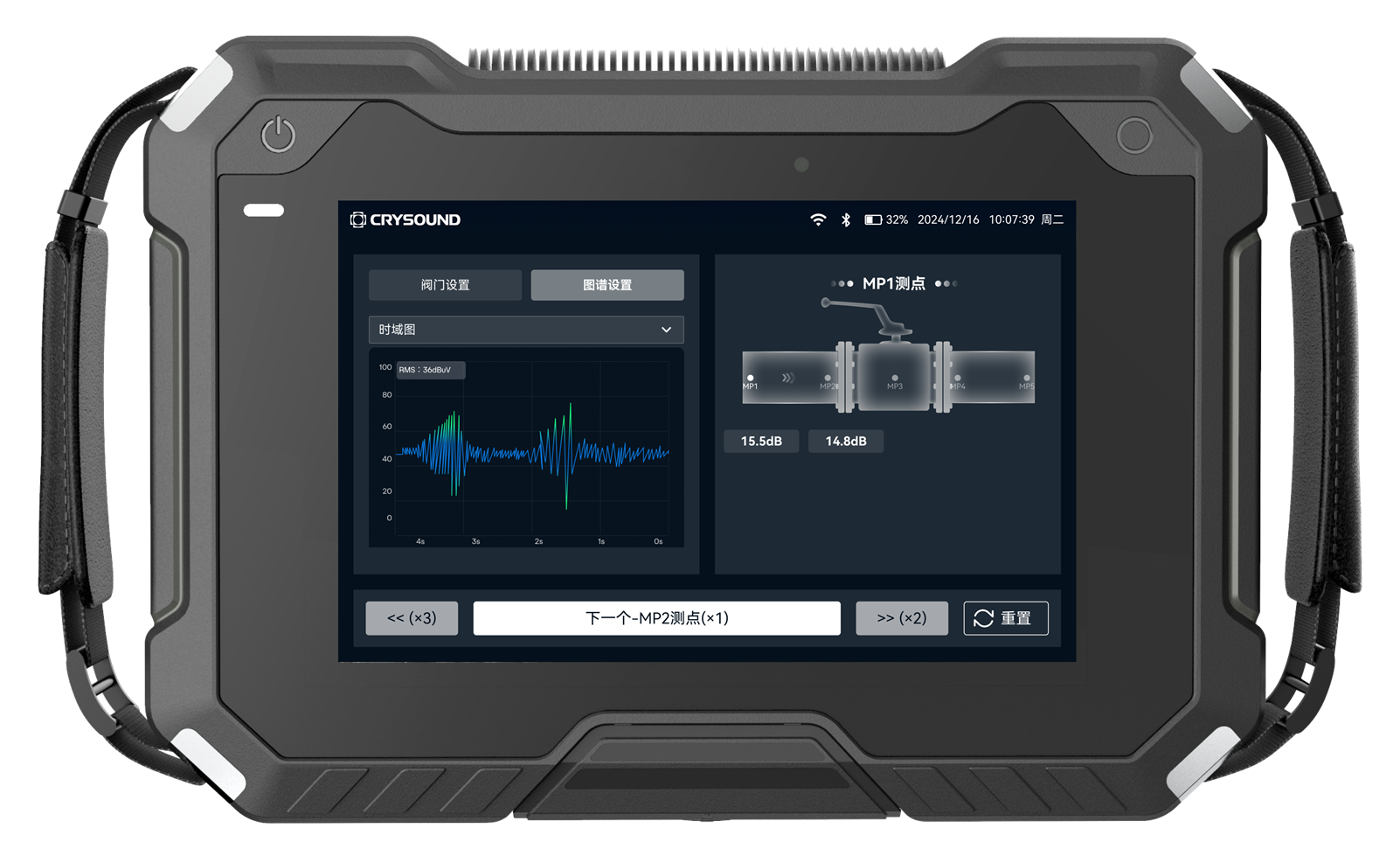
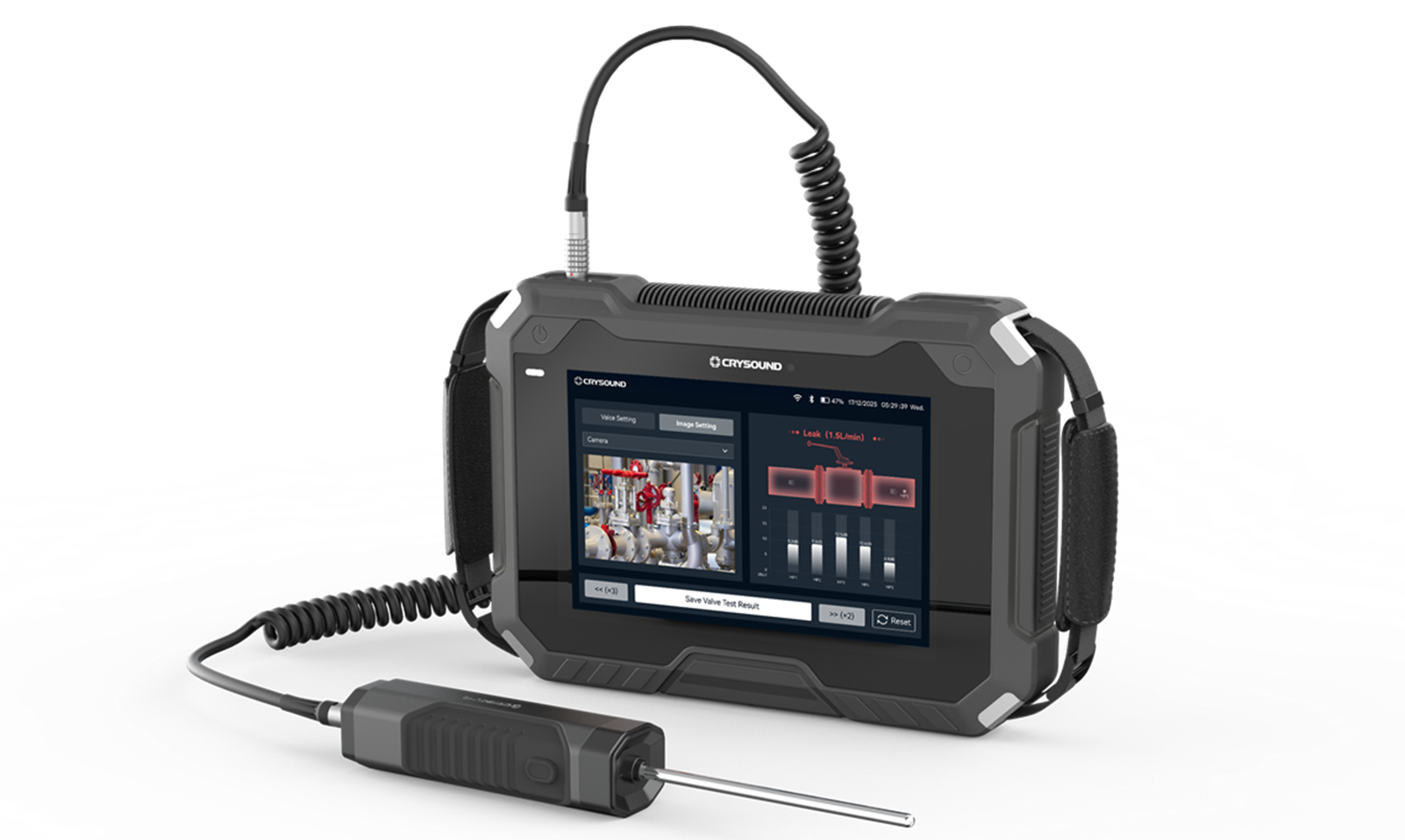
Simplified Valve Leak Inspection
Replace experience-based “listen, observe, and record” with a standardized inspection workflow. The software guides ultrasonic data collection at measurement points, automatically analyzes results, and presents clear conclusions—no manual logging or post-processing required. Inspections become faster, more accurate, and more repeatable.
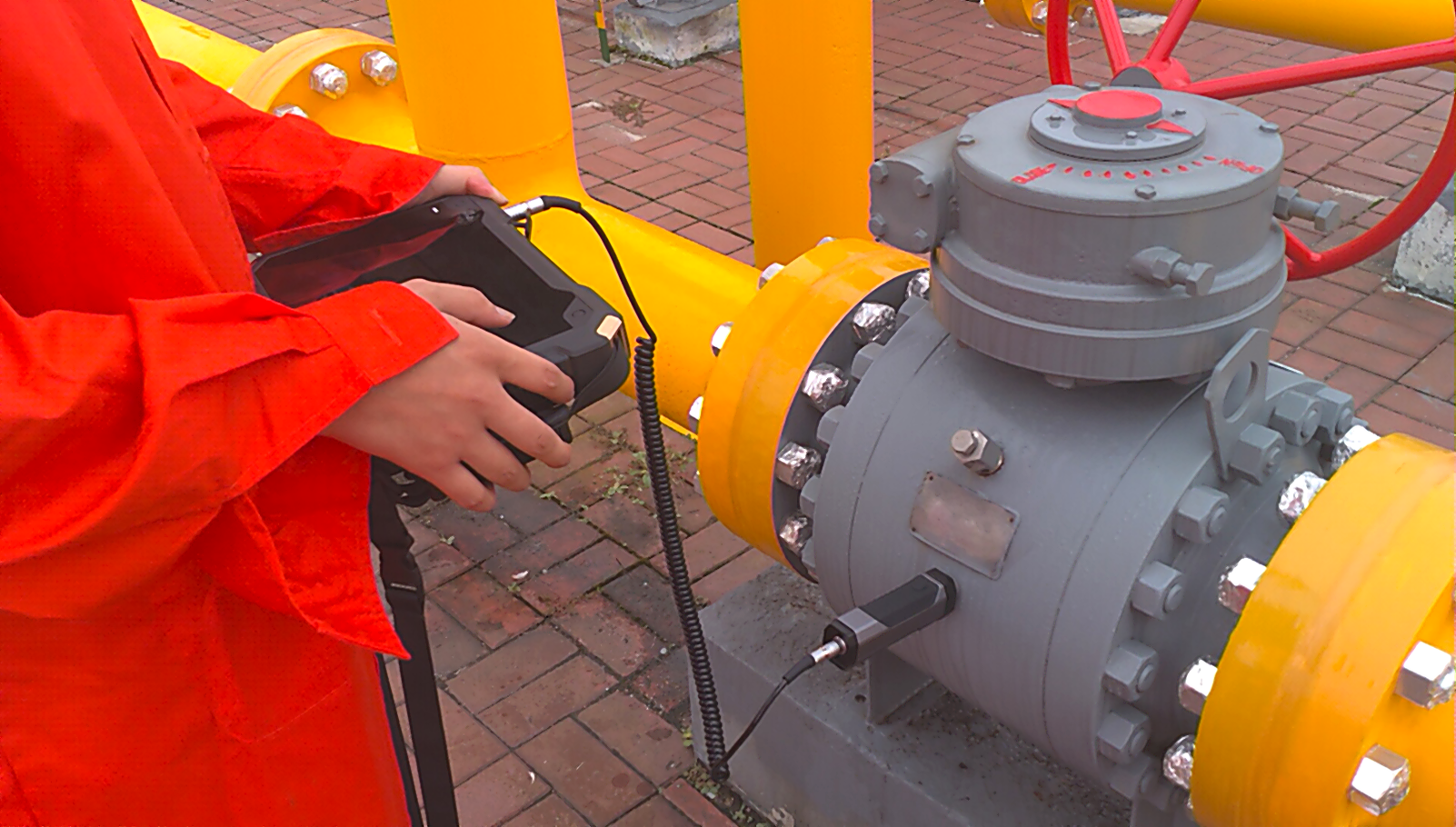
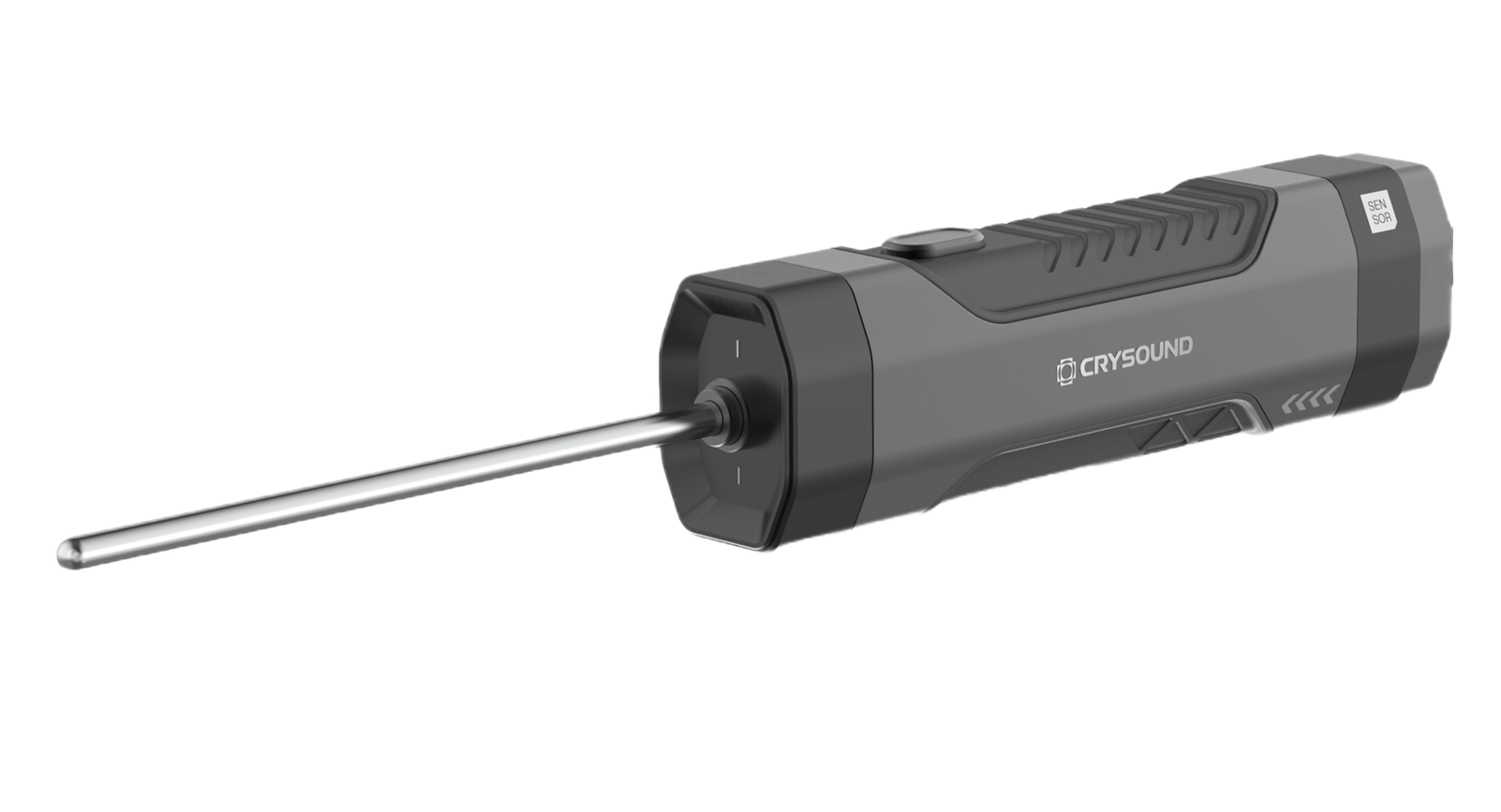
Non-Intrusive Testing
No valve disassembly is required. Simply attach the sensor to the valve body or adjacent pipe surface to perform testing. Suitable for ball valves, plug valves, check valves, butterfly valves, and other common valve types—supporting leak screening and condition verification without interrupting production.
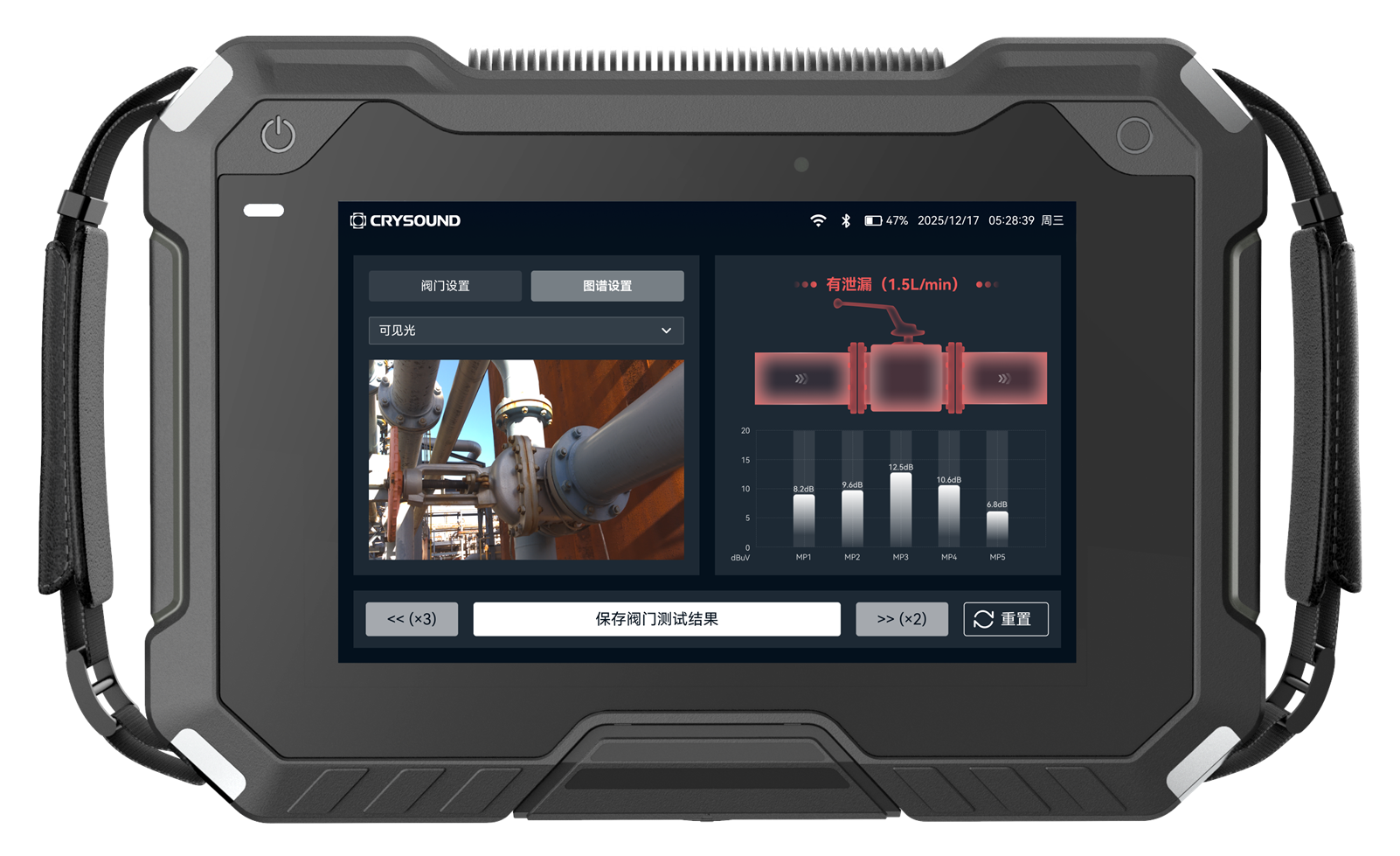
Automatic Leak Diagnosis
The system evaluates key signal features such as sound level (dB), spectrum characteristics, and energy indicators. The Valve Leak intelligent algorithm, powered by a field-validated model and historical case data, automatically classifies valve condition as “Normal / Suspected Leak / Leak Detected” and supports cross-condition comparison and verification—Reducing the need for complex manual signal interpretation.
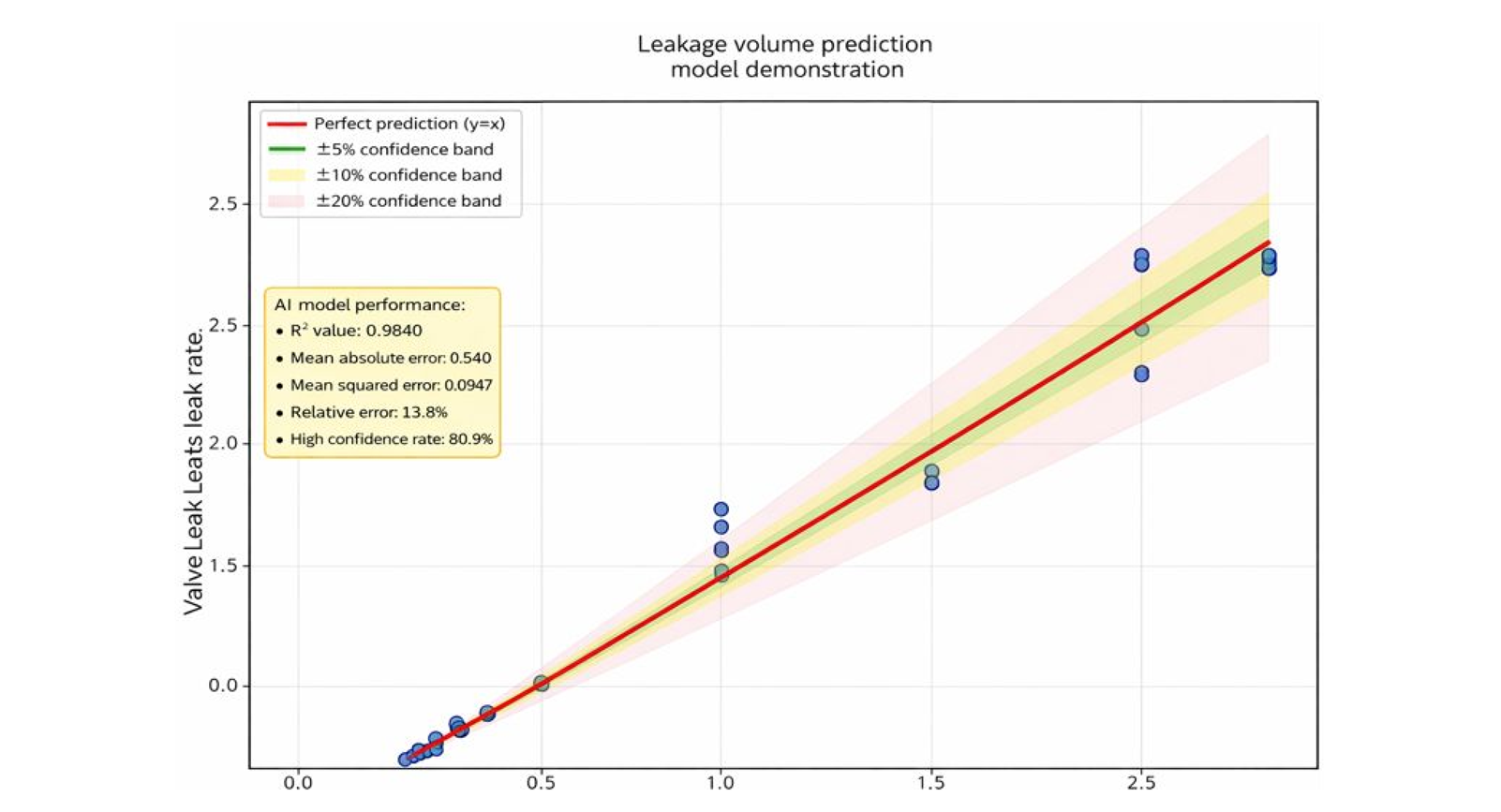
Leak Rate Estimation
Beyond a simple leak/no-leak result the solution quantifies leak severity by estimating leakage level or leakage rate based on ultrasonic features. This provides actionable guidance for maintenance decisions such as “monitor,” “schedule repair,” or “prioritize replacement,” helping close the loop from detection to corrective action.