CRYSOUND POCKET Acoustic Imaging Camera Now Available on Kickstarter.



Why Choosing the Right Acoustic Test Chamber Matters
In electroacoustic testing and wireless device production, the test chamber is not just a box - it directly affects measurement accuracy, throughput, and production costs. The wrong chamber can introduce background noise into your measurements, fail to shield RF interference, or simply not fit your DUT (Device Under Test).
This guide walks you through the key factors for selecting an acoustic test chamber, with a comparison of CRYSOUND's product range to help you match the right model to your application.
Key Selection Criteria
1. What Are You Testing?
The size and type of your DUT is the first deciding factor:
| DUT Type | Typical Products | Chamber Requirement |
|---|---|---|
| Small wireless devices | TWS earbuds, smartphones, smart watches | Compact chamber with RF shielding |
| Medium devices | Bluetooth speakers, headphones, smart home devices | Mid-size chamber with good low-frequency isolation |
| Large devices | Laptops, walkie-talkies, wireless servers | Large chamber with full RF shielding |
| Ultra-quiet testing | MEMS microphones, hearing aids, high-sensitivity sensors | Ultra-low noise floor chamber |
2. Acoustic Isolation Performance
How much noise do you need to block? If your production floor is noisy (70-80 dB ambient), you need a chamber with high sound attenuation to achieve a clean measurement environment. For laboratory settings that are already relatively quiet, a lighter chamber may suffice.
Key spec to check: Sound attenuation (dB) across the frequency range relevant to your product. Pay special attention to low-frequency attenuation - this is where most chambers struggle, and where the CRY725D specifically excels.
3. RF Shielding
If you are testing wireless devices (Bluetooth, WiFi, GSM, WCDMA, RFID, GPS), RF shielding is essential to prevent interference between adjacent production lines. Without it, neighbouring test stations can cause false failures.
Key spec to check: Shielding effectiveness (dB) at the frequencies your device operates on.
4. Door Mechanism: Pneumatic vs Manual
| Feature | Pneumatic Door | Manual Door |
|---|---|---|
| Speed | Fast open/close, ideal for high-volume production | Slower, suitable for lab or low-volume |
| Automation | Serial port / PLC control, integrates into automated lines | Manual operation only |
| Consistency | Repeatable sealing force every cycle | Depends on operator |
| Cost | Higher (requires air supply) | Lower |
| Best for | Production lines | R&D labs, occasional testing |
5. Production Line Integration
For high-volume manufacturing, consider:
- Drawer-style design - slides into automated test racks (e.g. CRY7865, CRY725D)
- Shell-type design - pairs with analysers for multi-station operation (e.g. CRY723)
- Serial port control - enables software-triggered open/close for fully automated test sequences
CRYSOUND Acoustic Test Chamber Lineup
Here is a comparison of our full product range, organised by application scenario:
For Smartphones & Wireless Wearables
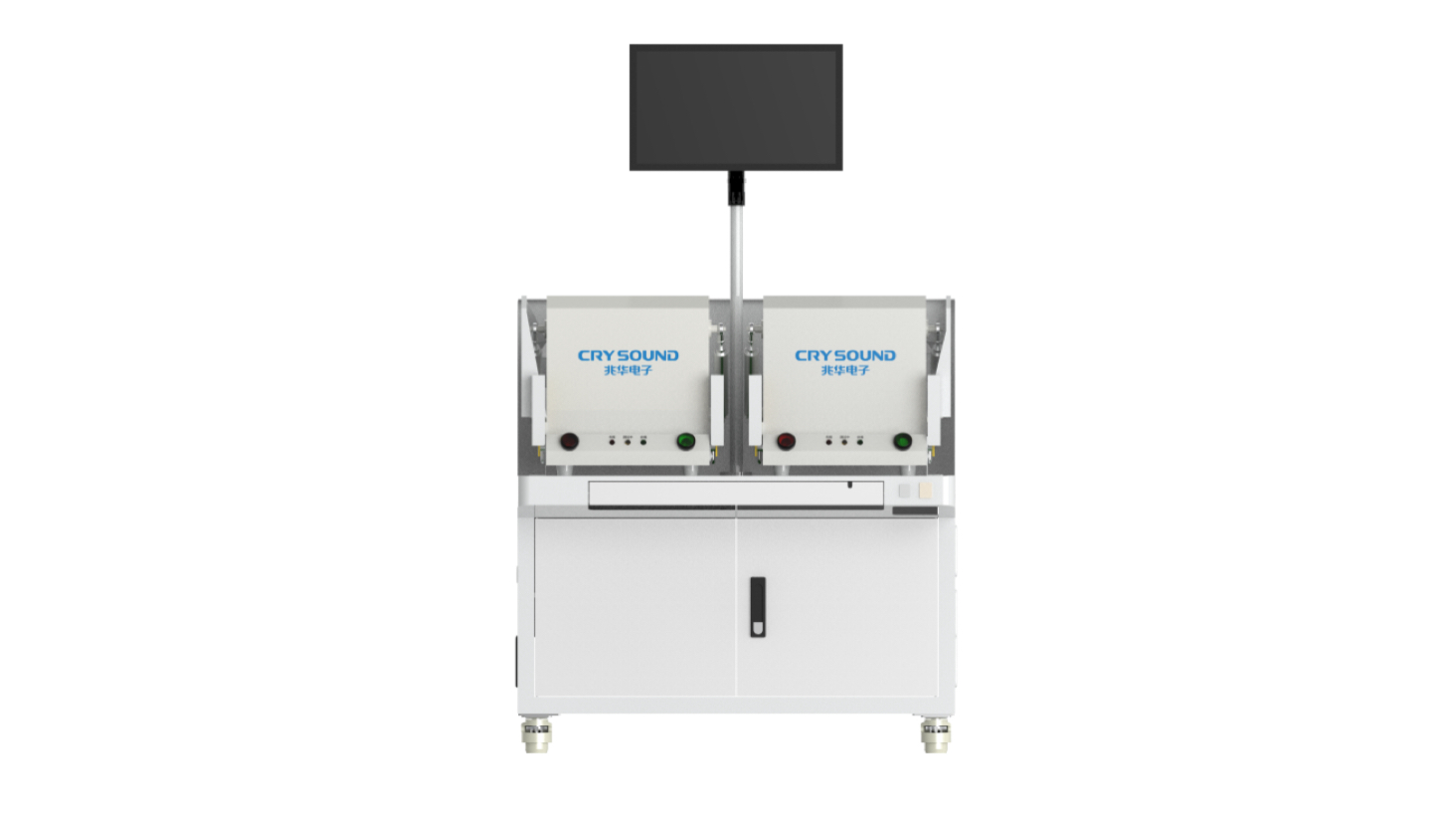
CRY723 Pneumatic Acoustic Test Chamber
- Design: Shell-type, compact form factor
- Best for: Smartphones, TWS earbuds, smart watches, wireless wearables
- Key advantage: Cost-effective and high-performance. Combine two CRY723 units with a CRY6151B analyser for complete audio, ENC, and ANC measurements - one operator manages two test stations simultaneously
- Door: Pneumatic
CRY723D Pneumatic Acoustic Test Chamber
- Design: Enhanced version of CRY723
- Best for: Wireless electronic and communication products requiring comprehensive RF testing
- Key advantage: Full wireless connectivity support - Bluetooth, WiFi, GSM, WCDMA, RFID, GPS
- Door: Pneumatic
For Large Wireless Devices
CRY725 Pneumatic Acoustic Test Chamber
- Design: Large-format chamber
- Best for: Laptops, walkie-talkies, wireless servers, and other large wireless devices
- Key advantage: Spacious internal volume for large DUTs, compatible with comprehensive testers and vector network analysers
- Door: Pneumatic
CRY725D Pneumatic Acoustic Test Chamber
- Design: Drawer-style, enhanced low-frequency performance
- Best for: Background noise measurement, applications requiring superior low-frequency isolation
- Key advantage: Superior soundproofing at low frequencies compared to CRY725. Combined with CRY6151B and CRY algorithm, provides enhanced noise floor minimisation for precision testing
- Door: Pneumatic (drawer-style)
For Production Line Integration

CRY7865 Pneumatic Acoustic Test Chamber
- Design: Drawer-style, designed for rack integration
- Best for: Automated production lines testing Bluetooth headphones, speakers, laptops
- Key advantage: High-performance acoustic isolation and RF shielding in one unit. Drawer-style design facilitates seamless integration into automated test systems
- Door: Pneumatic (drawer)
CRY710 Pneumatic Acoustic Test Chamber
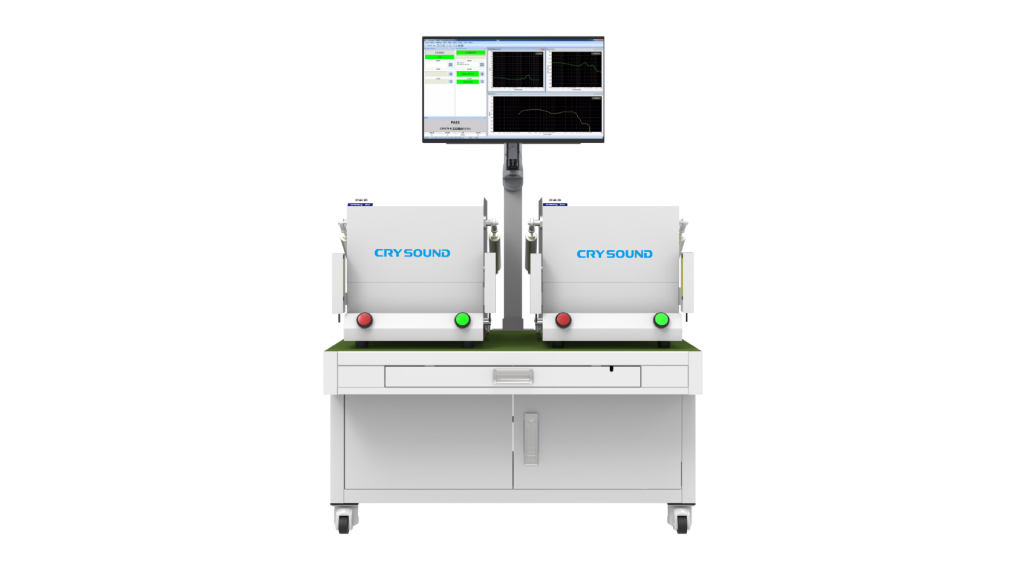
- Design: Welded steel plate construction, robust RF shielding
- Best for: Bluetooth, WiFi device testing where strong RF shielding is the priority
- Key advantage: Prevents interference between adjacent production lines. Combine two CRY710 units with a CRY6151B for quadruplex TWS headphone audio testing
- Door: Pneumatic (serial port controlled)
For R&D and Laboratory Use
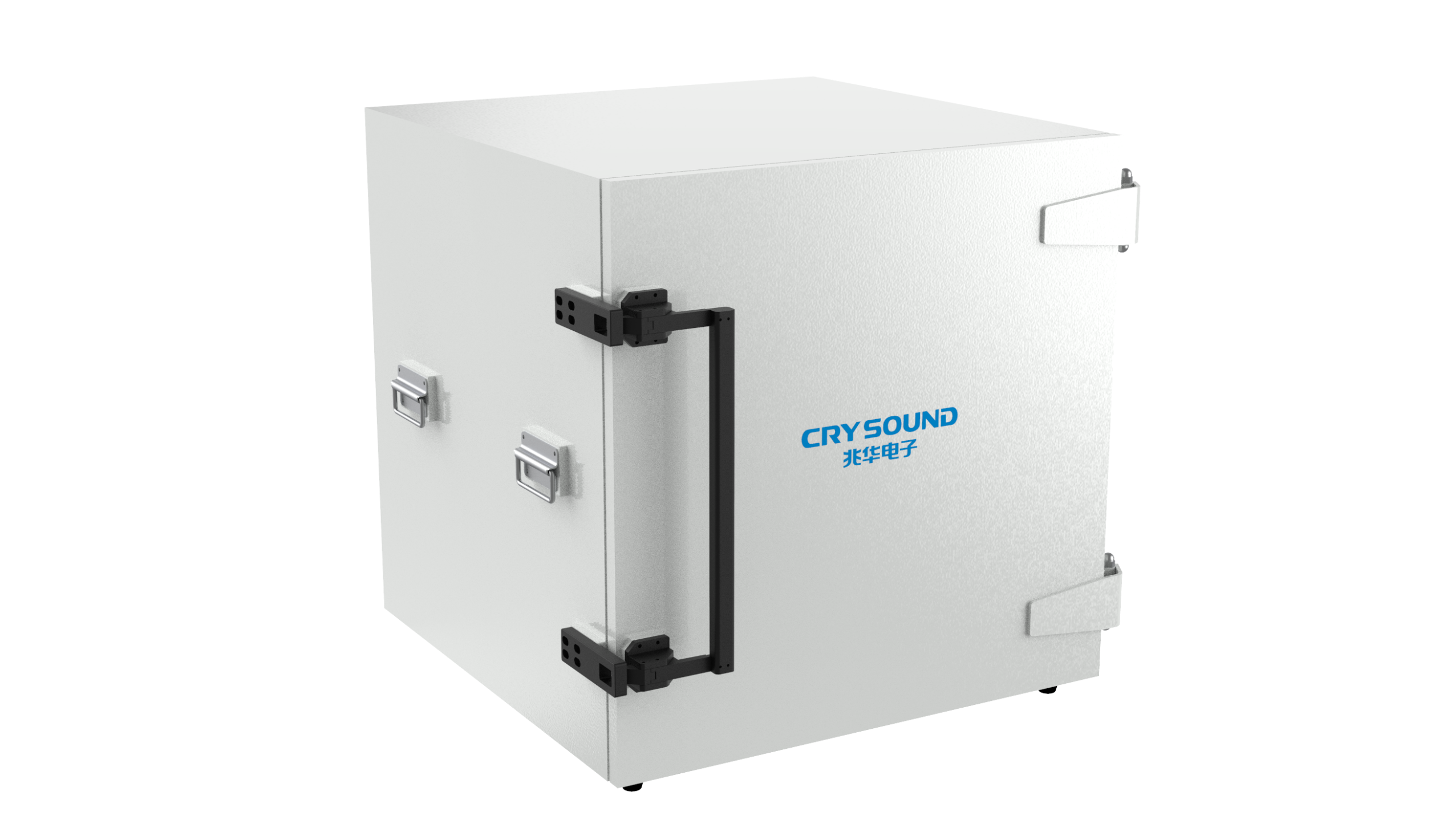
CRY7413 Acoustic Test Chamber, Manual Door
- Design: Compact, manual door, adjustable test jig
- Best for: R&D labs, product development, low-volume testing
- Key advantage: User-friendly design with marked and adjustable test jig that accommodates various DUT sizes. Quick DUT exchange with minimal operator strain
- Door: Manual
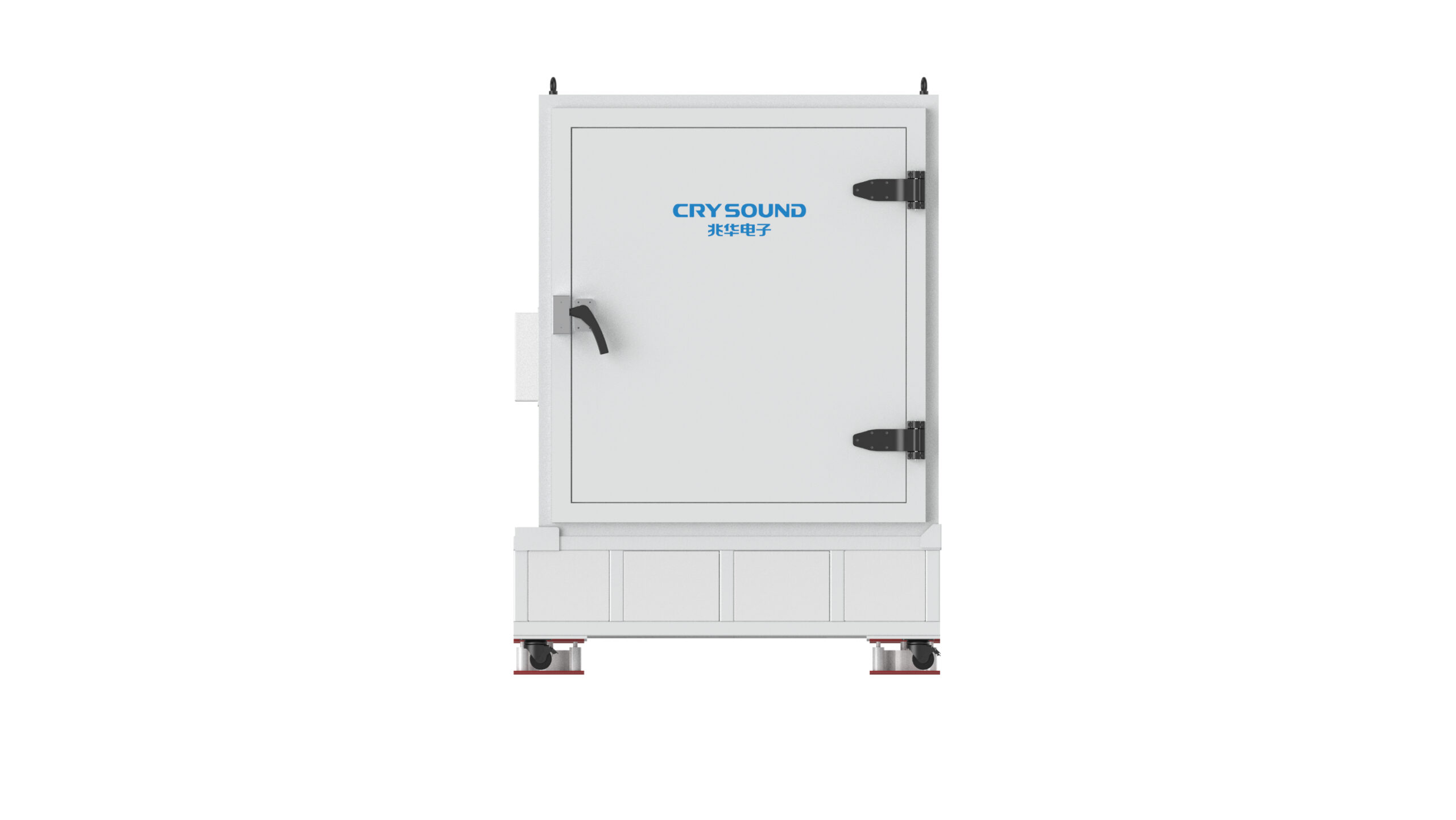
- Design: Double-shell (box-in-box), lateral two-stage opening
- Best for: Testing very quiet sounds - MEMS microphones, hearing aids, high-sensitivity sensors
- Key advantage: Unique box-in-box design provides the lowest noise floor in the product range. Essential when your DUT produces very low sound levels that would be masked by ambient noise in a standard chamber
- Door: Manual (two-stage lateral opening)
Quick Selection Guide
| Your Situation | Recommended Model | Why |
|---|---|---|
| Testing TWS earbuds on a production line | CRY723 | Compact, cost-effective, dual-station with CRY6151B |
| Testing laptops or large wireless devices | CRY725 | Large internal volume, full RF shielding |
| Need superior low-frequency isolation | CRY725D | Enhanced low-frequency soundproofing |
| Automated production line integration | CRY7865 | Drawer-style, RF + acoustic shielding |
| Bluetooth/WiFi RF isolation is priority | CRY710 | Robust welded steel RF shielding |
| R&D lab, various DUT sizes | CRY7413 | Adjustable jig, easy DUT exchange |
| Measuring very quiet sounds | CRY7412 | Double-shell, lowest noise floor |
Frequently Asked Questions
Do I need RF shielding in my acoustic test chamber?
If you are testing any wireless device (Bluetooth, WiFi, cellular), the answer is yes. Without RF shielding, wireless signals from neighbouring test stations or production equipment can cause false test failures. All CRYSOUND pneumatic chambers include RF shielding as standard.
Can I use one chamber for both R&D and production?
Yes, but the optimal choice differs. For R&D, flexibility and low noise floor matter most (CRY7413 or CRY7412). For production, speed and automation matter most (CRY723, CRY7865). If you need both, consider the CRY723 - it balances performance, automation capability, and cost.
What is the advantage of drawer-style vs shell-type chambers?
Drawer-style (CRY7865, CRY725D) slides into standard equipment racks and integrates cleanly into automated test lines. Shell-type (CRY723) opens like a clamshell for quick DUT loading and is more versatile for varied DUT shapes. Choose drawer-style for fixed production setups; shell-type for flexible or multi-product lines.
How do I reduce labour costs in acoustic testing?
Combine two test chambers with a single CRY6151B electroacoustic analyser. While one DUT is being tested, the operator loads the next DUT in the second chamber. This dual-station setup - supported by CRY723, CRY710, and other models - effectively doubles throughput with no additional headcount.
Need Help Choosing?
Every production environment is different. If you are unsure which model fits your requirements, our engineering team can help you evaluate your testing needs and recommend the right configuration.
Contact CRYSOUND for a personalised recommendation based on your DUT, production volume, and test requirements.
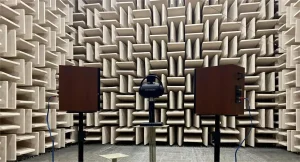
Anechoic Chamber
Cutoff frequency
80Hz
Background Noise
-1.4dBA (ventilation closed),1.2dBA (ventilation open)
Free-field radius
1.8m@80Hz
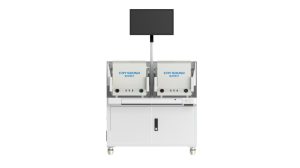
CRY723 Pneumatic Acoustic Test Chamber
Color
White
Weight
About 78.5kg
Outer dimension
1380(L)*800(W)*1265(H)mm
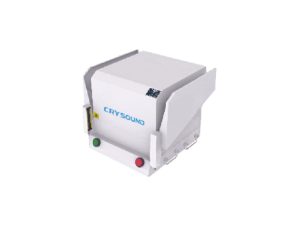
CRY723D Pneumatic Acoustic Test Chamber
Color
White
Weight
About 135kg
Box dimension
600(L)*550(W)*500(H)mm
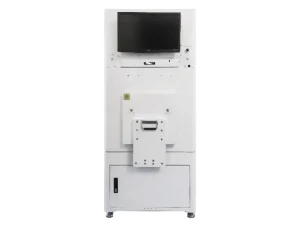
CRY725 Pneumatic Acoustic Test Chamber
Color
Beige
Weight
About 340kg
Box dimension
800(L)*780(W)*715(H)mm
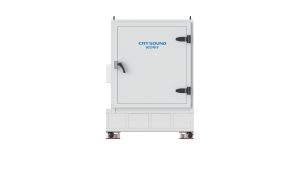
CRY7412 Ultra-Quiet Chamber
Color
Porcelain white
Weight
About 1.7ton
Outer dimension
1498(L)*1554(W)*1556(H)mm
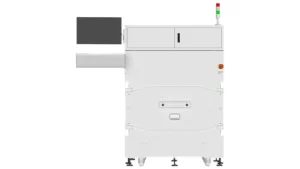
CRY7865 Pneumatic Acoustic Test Chamber
Color
White
Weight
About 830Kg
Outer dimension
1530(L)*1280(W)*1750(H)mm
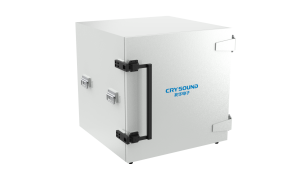
CRY7413 Acoustic Test Chamber, Manual Door
Outer color
Beige
Material
Sheet metal
Outer dimension
820(L)*780(W)*730(H)mm
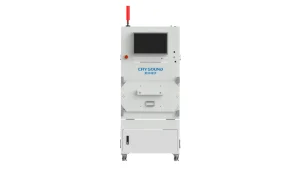
CRY725D Pneumatic Acoustic Test Chamber
Color
Beige
Weight
About 830kg
Outer dimension
860(L)*860(W)*1833(H)mm
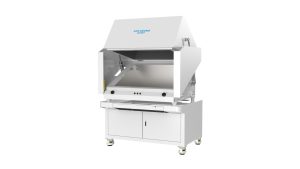
CRY721C Pneumatic Acoustic Test Chamber
Color
White
Weight
About 155kg
Outer dimension
950(L)*700(W)*700(H)mm
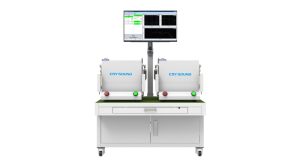
CRY710 Pneumatic Acoustic Test Chamber
Weight
About 158kg
Outer dimension
1050(L)*700(W)*1090(H)mm
Inner dimension
320(L)*364(W)*295(H)mm


